How many animals went in to making your burger?
This is a repost from my article that was just published in the Guardian newspaper:
The conflict between farmers and predators has wiped out the UK's large carnivores. More must be done to improve coexistence

The conflict between farmers and predators has wiped out the UK's large carnivores. More must be done to improve coexistence
When you take a bite
from your beef burger, have you ever stopped to think about the other animals
besides the cow that were killed in the making of your dinner? It is a little known fact that the meat industry tends to be at
odds with wildlife conservation. But how can this be?
The UK used to be home
to vast plethora of wonderful beasts; the grey wolf, the brown bear, and the
Eurasian lynx, to name but a few.
However, farmers thought that these carnivores killed livestock and so were
wiped out many centuries ago. Now,
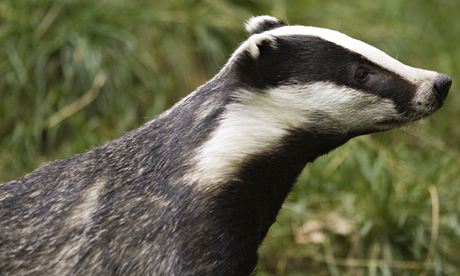
our largest land predators (besides humans, of course) are badgers and foxes –
and yet the meat industry is still waging war against these two species.
In other areas of
Europe, carnivores are met with a similar fate: the few dozen brown bears
remaining in northern Italy are under threat from local farmers; wolverine and lynx are persecuted in
the northern Swedish reindeer herding areas; seals are shot in Scottish waters to
limit perceived destruction to fish. Some of these species are
legally allowed to be culled if they are a nuisance to agricultural activity,
whereas others are illegally poached.
The challenge remains
as to how we can reduce the necessity for farmers and fishermen to cull predators
just for the sake of our dinner. There
have been a number of initiatives rolled out across Europe to try to improve
coexistence with carnivores. These include compensation payments paid by
governments to cover the cost of killed livestock, subsidies for protection measures such as
electric fences, monetary rewards for increases in
carnivore populations,
and training from non-governmental organisations
(NGOs) in non-lethal predator control.
Each of these schemes
have been met with some successes and failures: compensation payments, for
example, reduce the cost of coexisting with carnivores, but also can lead to farmers neglecting to take
proactive measures to reduce the likelihood of livestock being killed by
predators, as they know
they will be reimbursed. Rewards for
increased carnivore populations can be a good idea in theory, but it is
difficult to count wildlife. Such a scheme in Sweden has
increased the population of wolverines and lynx, but not wolves, possibly because reindeer herders do not feel
that the money is enough to create coexistence with this particular species.
Until now, the private
sector has remained elusive in this controversy. In other areas of the world, market-based
approaches have included paying a price premium on meat produced in “predator-friendly” farms, where farmers agree not to kill carnivores,
instead taking active measures to ensure their livestock are protected. The extra income could incentivise farmers to
become more tolerant of carnivores and therefore reduce lethal control. A similar idea arose recently with the badger
cull debate, where consumers petitioned for “badger-friendly” milk.
However, these sorts of labelling schemes are very difficult to monitor, as it is hard to prove that a farmer has not
killed a predator. Conversely, dolphin-friendly
tuna worked well because many boats were already
dolphin-friendly by default before, and those that weren’t were then easily converted through changing
fishing practices.
NGOs have tried to
petition the agricultural industry to ensure that their husbandry methods include
as many non-lethal predator controls as possible. Guarding dogs, for example, have been proven
to reduce livestock killings by
predators. Herders too can help, as can corralling
livestock into small enclosures at night time.
However, these all have negative effects on the livestock industry. Dogs, for example, can kill sheep, herders
are not effective with livestock that do not flock together, and corralling
livestock can reduce grazing time and therefore weights of livestock.
A possible solution is
to implement a worldwide initiative that will improve the sustainability of all
aspects of the meat industry. The Global Roundtable for Sustainable Beef is a consortium of large beef producers,
exporters and suppliers that aims to reduce the environmental impact of
beef. However, to date, there have been no measures to ensure that the beef
industry does not kill carnivores when raising cattle.
We therefore need to
raise consumer awareness of the plight of carnivores on livestock and fish
farms. The conflict between farmers and
predators is not just affecting our British wildlife, but is one of the driving factors into the global decline
of endangered large carnivores such as lions and tigers. If we
want a future world where these magnificent beasts still roam the countryside
producers must be made accountable for the actions they take, including the
killing of threatened carnivore species.
Eco-labels may be one option, compensation and rewards may be another,
but in reality we need to ensure that carnivores are not just worth a monetary
value to farmers, but are inherently valued for their existence as well. This takes education, tolerance and time to
imbue, but it may be the only hope we have for safeguarding the future of these
species.


Comments
Post a Comment